
Ayurvedic Acupressure is an ancient Indian medicinal system of natural healing. The origin of this self healing therapy lies in the natural act of human when they relieve these pains by pressing on the painful area of the body parts and getting the desired relief. This natural act of healing passes through to generations and today the perfect healer can heal major illness as well.
Acupressure is a word which is composed of Acu and Pressure. Acu means needle and pressure means to put force. Therefore, it is appropriated as to put pressure or force on needle at accurate location. This means of applying pressure and modes of treatment have got various names.
How ayurvedic acupressure healing works
When we press by a blunt object it is called acupressure. Magnet therapy, color therapy, seed therapy etc is the many ways for undertaking the acupressure treatment having similar fundamental of treatment. In the body or on its correspondence zone area, specific point is selected for applying seed, magnet or needle or color for creating electromagnetic field in the organ or related the body parts and is known as bio energy. This bio energy is the fundamental basis for life, the body stays healthy or become sick depends upon this bio energy only. For maintaining balance of this bio energy is the motto of acupressure healing.
Acupressure has further its expansion with uniting it with Ayurveda. The word Ayurveda is from two words, Ayu + Ved. Here Ayu means life and Ved means knowledge, so it knowledge of life here the deep meaning of Ayurveda depicts entire life of human being. These can be taken as all aspects of life viz. What is life, how to live, what is useful for life, what is not useful, how bio energy balances etc topics are dealt with. Therefore, the vision of Ayurveda is to unite with the easiest means of treatment with acupressure. Hence, ayurvedic acupressure brings out healing of human being with the help acupressure which is one of very oldest of Indian way of healing.
In the simplest word treating on points on body by acupressure, the effect are visible on entire body, mind and soul.
Salient Features of Ayurvedic Acupressure
1. Tulyarthta Principle. In the ayurvedic acupressure there is a concept of Tulyarthta principle. This is a comparison principle a kind of similarity phenomena. Here we usually compare how The body organs are similarly co- located in both hands and legs. Ayurveda stipulates that whatever is there in the cosmos has in some way or another resembles to the human body and each object as such. It established the principle of likelihood/ resemblance in each and every object and is considered as part of cosmos itself. Therefore the theory of Micro and macro is laid down.
Tulyarthta with human body
Further let’s also understand that micro is the part of macro here the Micro resembles object and Macro resembles the cosmos. This similarity principle is the part for tulyarthta. It has been made the basis for treatment for finding out similarity of human body with the palm and sole. Here this principle satisfied the principle of Micro and Micro and Macro is for human body and Palms & Soles are micro which are also components of human body.
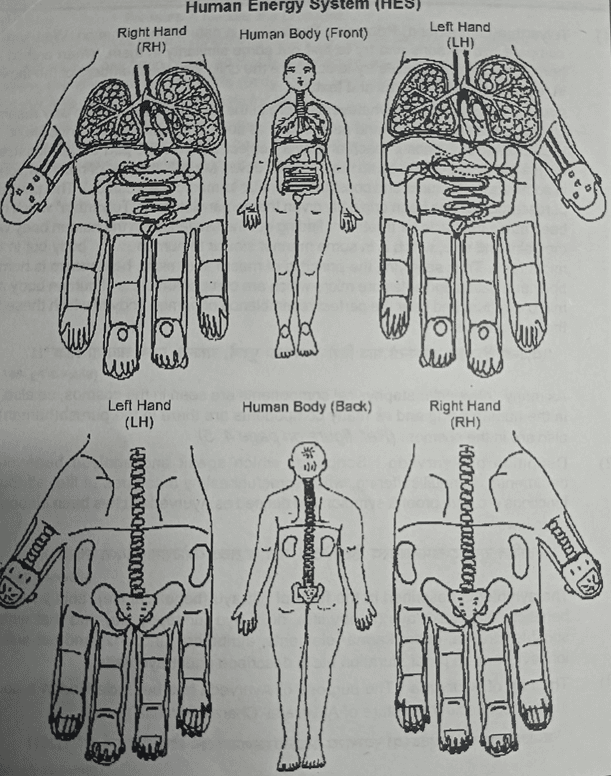
2. Purpose of Ayurveda. Ayurveda aims to protect and maintain the health of human being. It also helps to make human being free from sick and illness. The Ayurveda also brings out that a healthy person is competent to absorb the pious and eternal teachings of Ayurveda and can achieve ultimate object of human, pursuit the purusharth through meditation, knowledge, vitality etc.
Elements in Ayurveda
3. Ten elements in Ayurveda. There are ten elements in Ayurveda which are of physical and metaphysical form. These Akash (Space), Vayu (Air), Agni (Fire), Jal (Water), Prithvi (Earth), Atma (Soul), Mann (Mind), Kaal (Time), Disha (Direction), Tam (Darkness). The first five are considered as Panchmahabhoot. Further these elements are divided into Chetan and Achetan. Chetan (living) are those dravya/ elements which have sense organs and Achetan are those dravya which have no sense organs means nirendriya.
4. Five elements. As in classical acupressure the the basis of origin of the body is as five elements is an universal acceptance. The five elements are Akash, vayu, Agni, jal, prithvi.
5. Elements. Elements on which the functions (karma) and attributes (gunn) depend and the one which is inseparable with them is the elements.
6. Function (Karma) – The efforts made is known as karma. The activity of karma is a type movement, it brings about separation of old union and making a new union.
7. Attributes (Gunnery) – The thing which is inseparable and dependent. It is the one which remains inactive but still behaves like causative factory and known as attributes. The above theory is very basic of Ayurveda acupressure and it is very big subject to master with. We healers wish all the best for those who read this and understand how this acupressure will bring miracle in their life. Keep reading and stay healthy.
Ayurvedic Meridians
The components which are visible or invisible in human body are non other than the different types of meridians or shrotas. These are the means where all these components of human body are created or degenerated. When we eat food and when the food completes the digestion, the body observes it and converts it into cell and tissues. Once the conversion of food takes place in food qi, transportation of the same takes place between one place to another in human body with the help of these meridians.
According to Chinese principle of acupuncture, following are the definitions for the meridians:-
It is the means by which creation of human being takes place.
It is the means whereby the disease occurs in body.
The means where cure to the disease.
The means where the disease occurs.
Further, there are 12 meridians in Chinese acupressure for the basis of all theory and treatment.
Meridian classification in ayurvedic acupressure
The chinese scientist have presented the modern form of treatment therapy of acupressure. Korean Prof Sir Park Jae Woo has further developed it with the help of developing sujok treatment. As we know as part of ayurvedic treatment, doctors provide medicine in the form herbs, roots, lifestyle changes, diet for bringing cure and stay healthy. However in chinese acupuncture, the healers give treatment on acu points to give relief to pain, treament to certain illness. They create balance by doing this acupuncture.
Prof Park Jae Woo has developed meridians on the basis of principle of correspondence. There are three types of ayurvedic meridians in the body.
Vertical Meridian
Horizontal Meridian
Spiral Meridian
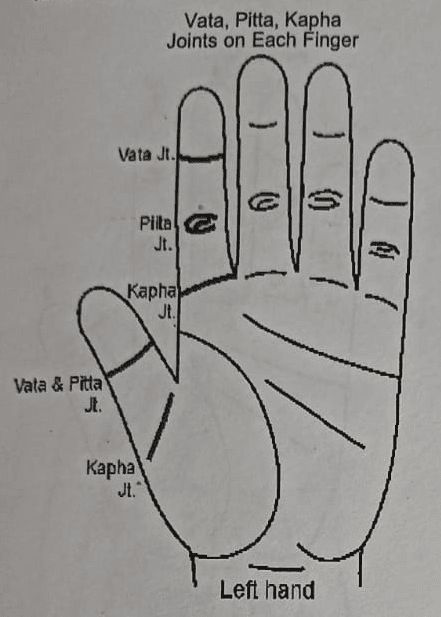
(Vatta joint, Pitta Joint and Kapha Joint)
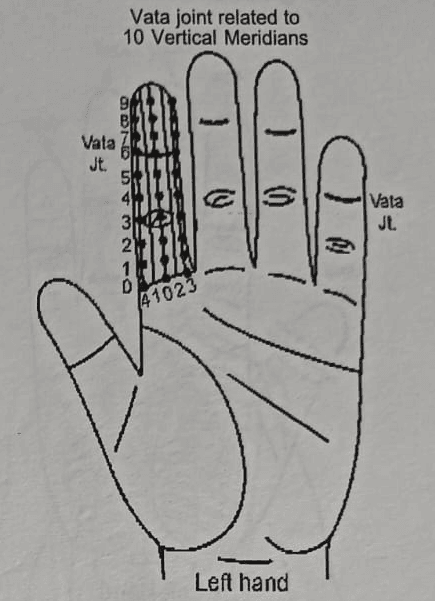
(Vertical Meridian)
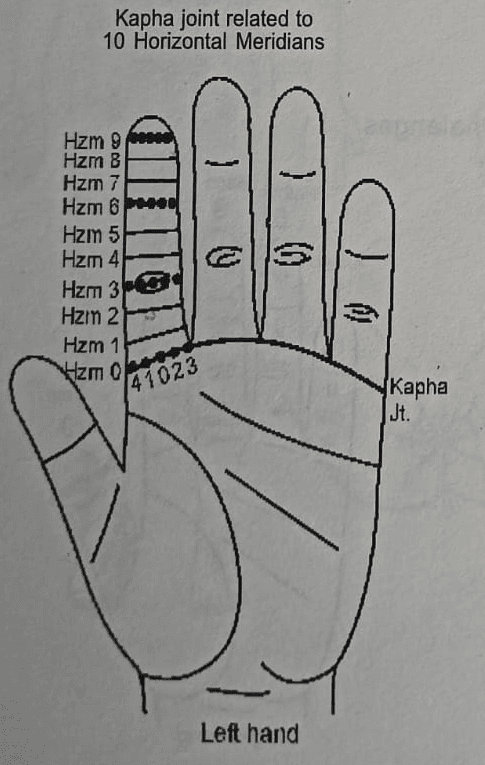
(Horizontal Meridian)
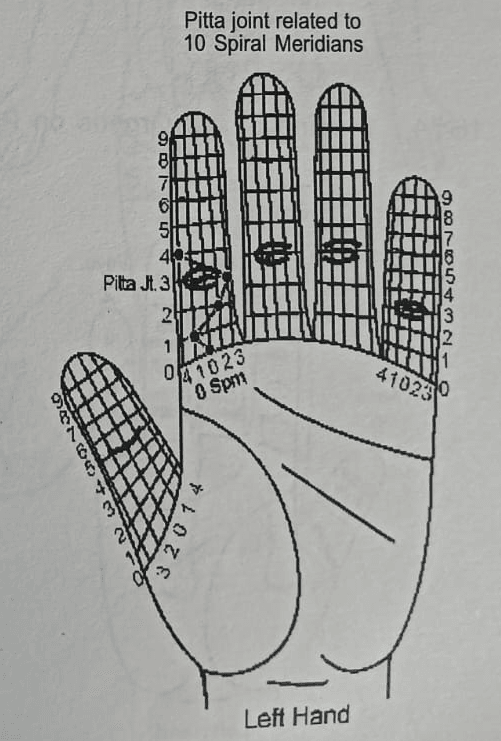
(Spiral Meridian)
Follow me
YOU CAN ALSO READ OTHER HEALTH RELATED BLOGS
Silver Sneakers: Embracing the best Fitness for seniors
- Ayurvedic Doshas Vata, Pitta and Kapha with its remedies
- AYURVEDIC ACUPRESSURE – THE GREAT NATURAL HEALING
- Herpes Simplex Virus : It’s Causes, symptoms and the best cure
- Ayurvedic Cooking : Health benefit of great balanced nutrition
- Allicin : The miracle molecule