
Let’s understand about Biometric Tech in Fitness. In the rapidly evolving landscape of fitness technology, the integration of biometric data has emerged as a game-changer. Biometric tech, once confined to the realms of science fiction, is now a tangible and powerful tool in the fitness industry. By harnessing the capabilities of biometric devices, individuals can unlock a new level of understanding about their bodies, tailor their workouts to precise needs, and embark on a journey towards optimal health and fitness.
1. What is Biometric Tech in Fitness
Biometric technology involves the measurement and statistical analysis of people’s unique physical and behavioral characteristics. In the fitness realm, this primarily includes metrics such as heart rate, blood pressure, body temperature. It has even more advanced measurements like oxygen saturation and galvanic skin response.
2. The Rise of Wearables to have Biometric Tech in Fitness

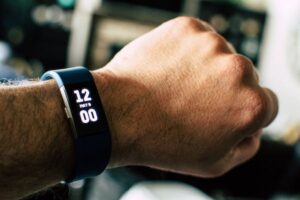
The advent of wearable fitness technology has brought biometric data into the mainstream. From fitness trackers and smartwatches to specialized fitness wearables, individuals now have the power to monitor their biometrics in real-time. This is in the both during workouts and throughout their daily lives.
3. Key Components of Biometric Tech in Fitness
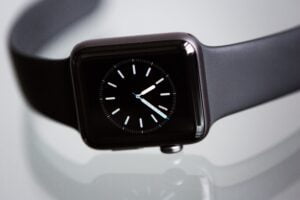
Followings are the key components of Biometric Tech in Fitness:-
(a) Heart Rate Monitoring:– Real-time heart rate monitoring provides valuable insights into cardiovascular health and allows individuals to optimize their workouts for fat burning, endurance or recovery.
(b) Blood Oxygen Levels (SpO2):– Monitoring blood oxygen levels can be crucial, especially during intense workouts. This data helps gauge oxygen delivery to muscles and overall respiratory health.
(c) Sleep Tracking:– Many fitness wearables now include sleep tracking features. It is allowing users to assess the quality and duration of their sleep. This information is vital for recovery and overall well-being.
(d) Body Temperature Monitoring:– As the body heats up during exercise, tracking body temperature can help prevent overheating and optimize performance. Some wearables are now equipped with sensors to monitor variations in body temperature.
4. Personalised Workouts with Precision
The true power of biometric tech lies in its ability to generate personalized insights. By analyzing biometric data over time, these devices can recommend personalized workout plans. It can adapt routines to individual fitness levels also and provide real-time feedback for improved performance.
5. Motivation through Metrics
Biometric feedback acts as a powerful motivator. Watching real-time data during a workout provides a tangible sense of accomplishment and encourages individuals to push their limits. Moreover, tracking progress over time creates a roadmap for achieving and surpassing fitness goals.
6. Challenges and Considerations
While biometric tech in fitness is transformative, it’s essential to consider privacy concerns and the accuracy of the data collected. Users should be aware of how their biometric data is stored and used and device accuracy should be validated for reliable insights.
7. The Future of Fitness
As technology continues to advance, the integration of biometrics into fitness will only become more sophisticated. We can anticipate innovations that seamlessly integrate biometric data with artificial intelligence, providing even more nuanced and personalized fitness recommendations.
8. Navigating the Biometric Fitness : Choose the Right device for you
With an abundance of biometric fitness devices flooding the market, selecting the right one can be a daunting task. In this article, we’ll break down the key features of popular biometric wearables, helping you make an informed decision based on your fitness goals, lifestyle, and preferences.
9. Fitness Tracker vs Smartwatches
Explore the distinctions between fitness trackers and smartwatches, understanding which device aligns better with your needs. While fitness trackers excel in specialized health metrics, smartwatches offer a broader range of features, including app integration and communication capabilities.
10. Beyond the Basics: Explore Advanced Biometric Metrics
Dive deeper into the world of biometrics by examining devices that go beyond the standard heart rate and step count. Discover wearables equipped with advanced sensors, such as ECG monitors, skin temperature trackers, and even devices that measure stress levels.
11. Biometrics for Recovery: The role of wearables in post workout healing
3. Biometrics for Recovery: The Role of Wearables in Post-Workout Healing
Explore how biometric wearables are not just tools for during workouts but also essential for post-exercise recovery. Discover devices that monitor factors like heart rate variability and sleep quality, providing insights into your body’s readiness for the next workout.
12. The Fusion of Fashion and Fitness: Stylish wearable for the trendy enthusiast
For those who prioritize aesthetics, this section delves into the fashion-forward side of biometric wearables. Uncover stylish fitness trackers and smartwatches that seamlessly blend functionality with design, ensuring you look good while optimizing your health.
13. Integrating Biometrics into your Fitness Routine : Tips for success
Providing practical tips for seamlessly integrating biometric tech into your daily life, this section covers everything from interpreting data to establishing consistent routines. Learn how to leverage biometrics effectively for long-term health and fitness benefits.
14. Privacy Matters: Safeguarding your Biometric Data
Biometric data is highly personal, and ensuring its privacy is paramount. This article discusses the importance of understanding how your data is handled, stored, and shared by different biometric devices, providing tips on protecting your privacy.
15. The Future of Biometric Tech: What’s on the Horizon?
Explore the cutting-edge developments in biometric fitness technology, from the integration of artificial intelligence to predictive health analytics. Get a glimpse into the future of wearables and how they might revolutionize the way we approach fitness and well-being.
16. Conclusion: Navigating Your Biometric Fitness Journey
As you embark on your biometric fitness journey, armed with insights from this guide, you’ll be better equipped to choose the device that aligns with your goals and preferences. Whether you’re seeking advanced metrics, a stylish accessory, or a comprehensive approach to health, the world of biometric wearables offers a solution tailored just for you. Happy exploring and here’s to a healthier, more connected you!
Biometric technology has ushered in a new era of fitness, where workouts are not just routines but personalized journeys tailored to individual needs. By leveraging the power of biometric data, individuals can optimize their workouts, track their progress, and achieve their fitness goals with unprecedented precision. As we continue to embrace these innovations, the future of fitness promises to be both data-driven and deeply personal, revolutionizing the way we approach health and well-being.
You may also like
Preorbital dark circles: causes, cure and prevention
Rise and shine: morning rituals for a great productive day
Good brain health and exercises