
Let’s understand the concept Glyphosate. In recent years, discussions surrounding glyphosate have sparked significant debate. It is with concerns raising about its potential impact on human health and the environment. It is the active ingredient in many herbicides, most notably in products like Roundup. Its widespread use in agriculture, particularly in conventional farming. It has prompted many to re-evaluate their food choices and consider the benefits of opting for organic produce instead. In this blog, we’ll delve into the reasons why choosing organic food can be a wise decision in light of these herbicides concerns.

What is the Glyphosate
Glyphosate is a broad-spectrum herbicide people use it widely to kill weeds that compete with crops. It works by inhibiting a specific enzyme that plants need to grow. While it’s effective at what it does, concerns have been raising about its potential adverse effects on human health and the environment.
Health Concerns of Glyphosate
Residue in Food:- One of the primary concerns surrounding glyphosate is its presence as a residue in food. Since people use these herbicides extensively in conventional farming. The traces of it, we can find in various foods, including fruits, vegetables, grains, and even processed foods. Which is made from conventionally grown crops.
Potential Carcinogenicity:- The International Agency for Research on Cancer (IARC), a branch of the World Health Organization (WHO). It has classified glyphosate as “probably carcinogenic to humans” in 2015. While regulatory bodies like the U.S. Environmental Protection Agency (EPA) have disputed this classification. The debate underscores the need for further research into glyphosate’s long-term health effects.
Disruption of Gut Microbiota:- Some studies suggest that glyphosate may disrupt the balance of gut microbiota. The guts play a crucial role in digestion, immunity, and overall health. Imbalances in gut bacteria have been linked to various health issues, including obesity, inflammatory bowel diseases, and metabolic disorders.
Environmental Concerns of Glyphosate
Impact on Biodiversity:- Glyphosate can harm non-target plants and organisms, potentially leading to a loss of biodiversity. Additionally, Its use is an association with the decline of milkweed. Which is a vital food source for monarch butterflies, contributing to their population decline.
Soil Health:- Continuous use of these herbicidescan degrade soil health by reducing microbial diversity and nutrient availability. Healthy soil is essential for sustainable agriculture and ecosystem functioning.
Why Should we choose Organics?
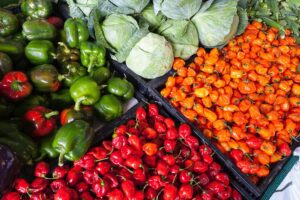
Opting for organic food offers several benefits in addressing glyphosate concerns:
Certified Organic Standards:- Organic farming prohibits the use of synthetic pesticides, including glyphosate. By choosing organic, you reduce your exposure to pesticide residues in food.
Support for Sustainable Practices:- Organic farming practices prioritize soil health, biodiversity, and ecological balance. Supporting organic agriculture promotes sustainable food production systems that prioritize environmental stewardship.
Healthier Soil and Food: Organic farming relies on natural methods like crop rotation, composting, and biological pest control, which promote soil fertility and produce nutrient-dense foods.
Reduced Environmental Impact: By avoiding synthetic pesticides and herbicides, organic farming minimizes the risk of harm to ecosystems, wildlife, and water resources.
Glyphosate Residues in Food
Glyphosate residues have been found in various foods, including staple crops like corn, soybeans, and wheat. These crops are often genetically modified to tolerate glyphosate, allowing for widespread application of the herbicide. As a result, products derived from these crops, such as corn syrup, soybean oil, and wheat-based products, may also contain glyphosate residues. Choosing organic versions of these foods can help minimize exposure to glyphosate residues.
Regulatory Oversight and Controversies
The regulation of glyphosate varies between countries and regulatory agencies. While some authorities, like the EPA in the United States, consider glyphosate to be safe when used as directed, others, like the European Food Safety Authority (EFSA), have raised concerns about its potential health effects. Additionally, regulatory decisions regarding glyphosate have been subject to controversy, with accusations of industry influence and conflicts of interest. This uncertainty underscores the importance of independent research and transparency in regulatory decision-making.
Consumer Awareness and Demand for Transparency
Increased public awareness of glyphosate and its potential risks has led to growing consumer demand for transparency in food production. Many consumers are actively seeking out information about pesticide use in agriculture and are choosing organic products as a way to avoid glyphosate and other synthetic pesticides. This trend has prompted food companies to respond by providing more information about their sourcing practices and offering organic options to meet consumer demand.
Advocacy for Organic Farming and Policy changes
Concerns about glyphosate and other synthetic pesticides have fueled advocacy efforts aimed at promoting organic farming practices and advocating for policy changes to support sustainable agriculture. Organizations dedicated to organic farming, environmental conservation, and public health are working to raise awareness about the benefits of organic agriculture and push for policies that incentivize organic production and reduce reliance on chemical inputs.
Conclusion
Glyphosate remains a topic of considerable debate, with ongoing research needed to fully understand its implications for human health and the environment. In the meantime, choosing organic food offers a practical way to reduce exposure to these herbicides residues and support sustainable agricultural practices. By prioritizing organic options, we can contribute to a healthier food system for ourselves and the planet.
Watch Video
Glyphosate : Why we should choose organics
You may also like
Nanomedicine : Small wonders for the big impact
- Ayurvedic Doshas Vata, Pitta and Kapha with its remedies
- AYURVEDIC ACUPRESSURE – THE GREAT NATURAL HEALING
- Herpes Simplex Virus : It’s Causes, symptoms and the best cure
- Ayurvedic Cooking : Health benefit of great balanced nutrition
- Allicin : The miracle molecule