
Herpes simplex virus (HSV) is a common viral infection that affects millions of people worldwide. It is causing discomfort and stigma for those affected. In this blog, we will get into the causes, symptoms, and treatment options for HSV, aiming to shed light on this often misunderstood condition.
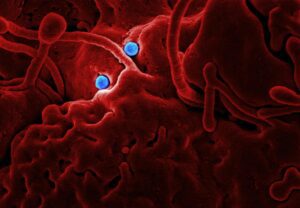
Causes of Herpes Simplex Virus (HSV)
Let’s Understand the Causes of HSV. HSV is caused by two main types of viruses: HSV-1 and HSV-2. HSV-1 is typically associated with oral herpes, manifesting as cold sores or fever blisters around the mouth and lips. On the other hand, HSV-2 primarily causes genital herpes, resulting in painful sores or ulcers in the genital area. Transmission of HSV occurs through direct contact with infected lesions or secretions, such as through sexual activity, kissing, or sharing personal items. Factors like a weakened immune system, stress, or hormonal changes can increase the risk of outbreaks.
Symptoms of Herpes Simplex Virus
Symptoms of HSV vary depending on the type of virus and the location of the infection. Oral herpes may begin with tingling or itching around the mouth, followed by the appearance of fluid-filled blisters. These blisters can be painful and may rupture, forming crusts before healing. Genital herpes may present as painful sores, accompanied by flu-like symptoms such as fever, body aches, and swollen lymph nodes. The initial outbreak is typically the most severe, with subsequent outbreaks often milder in intensity and duration. However, the virus remains dormant in the body and can reactivate periodically, leading to recurrent outbreaks.
Treatment Of Herpes Simplex Virus
Exploring Treatment Options: While there is currently no cure for herpes, several treatment options are available to manage symptoms and reduce the frequency of outbreaks. Antiviral medications such as acyclovir, valacyclovir, and famciclovir can help shorten the duration of outbreaks, alleviate symptoms, and reduce the risk of transmitting the virus to others. These medications are most effective when taken at the first sign of an outbreak or as a daily suppressive therapy for individuals experiencing frequent recurrences. Additionally, topical creams and ointments may provide relief from pain and discomfort associated with herpes lesions.
Prevention for Herpes Simplex Virus
Preventing the spread of HSV involves practicing safe sex, using condoms or dental dams during sexual activity, and avoiding close contact with individuals experiencing active outbreaks. It’s essential to communicate openly with sexual partners about HSV status and take precautions to minimize the risk of transmission. Maintaining good hygiene practices, such as washing hands regularly and avoiding sharing personal items like towels or utensils, can also help prevent the spread of the virus.
Conclusion
Herpes simplex virus is a prevalent infection that can cause significant physical and emotional distress for those affected. By understanding the causes, symptoms, and treatment options for HSV, individuals can take proactive steps to manage the condition effectively and minimize its impact on their lives. Additionally, education and awareness play a crucial role in reducing the stigma associated with herpes and fostering supportive communities for those affected by the virus. With proper care and support, individuals living with HSV can lead fulfilling lives and maintain healthy relationships.
Watch In Video
You may also like
Understand Nanomedicine: Small wonders for the big impact
- Ayurvedic Doshas Vata, Pitta and Kapha with its remedies
- AYURVEDIC ACUPRESSURE – THE GREAT NATURAL HEALING
- Herpes Simplex Virus : It’s Causes, symptoms and the best cure
- Ayurvedic Cooking : Health benefit of great balanced nutrition
- Allicin : The miracle molecule